Things That Quietly Drive Me Crazy in Design
(unpopular, subject to change, but here we are)
There are things in this industry that get labeled as “style” or “preference.” Some of them are neither. Some of them are just bad decisions wearing good lighting.
Here is where I stand today.
1. Designers being mistaken for decorators
We do not place pillows and call it a day.
If that’s all it was, I’d be out of a job and frankly a lot more relaxed.
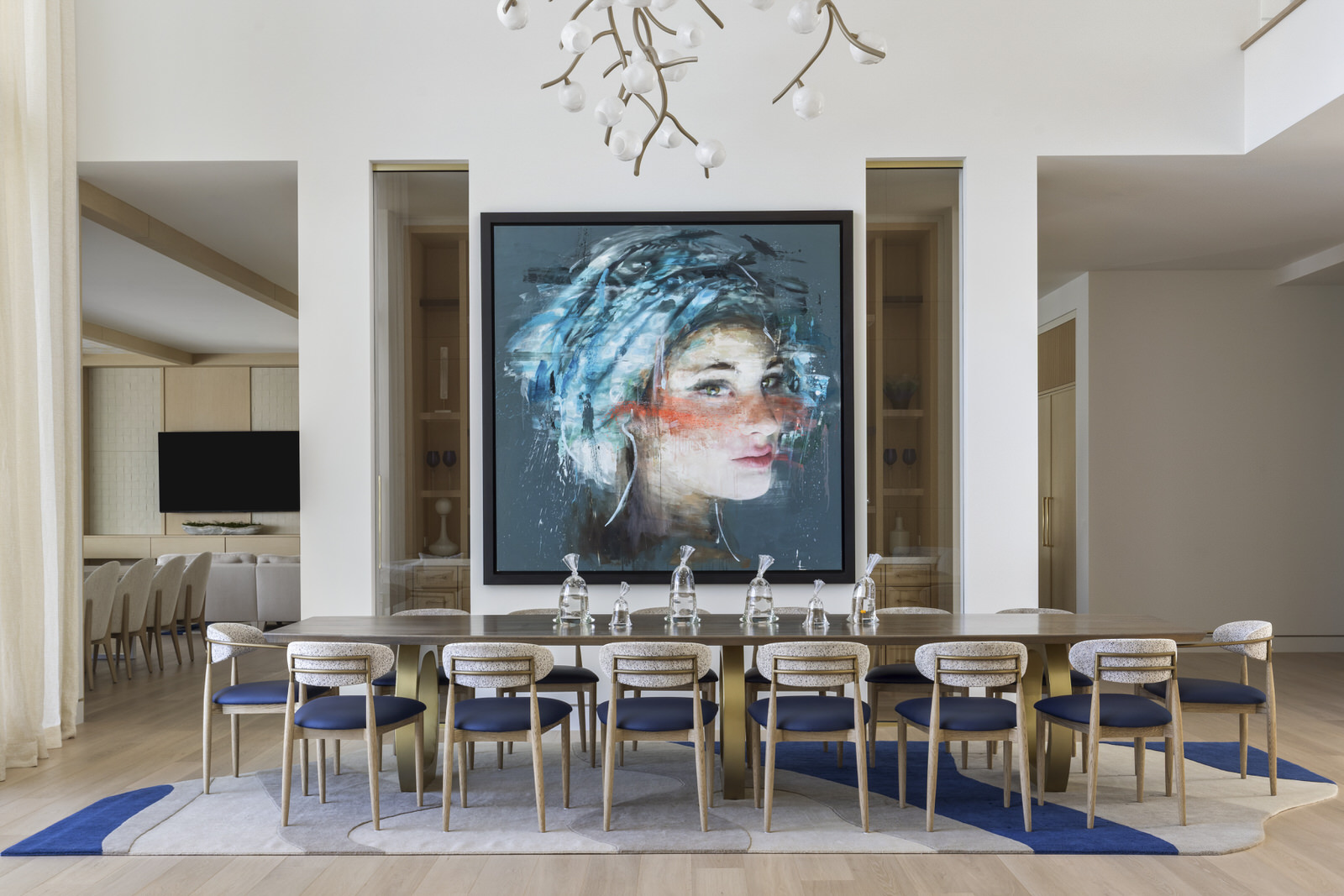
Designers think through structure, flow, scale, materials, lighting, and function. We are in the bones of the house, not just the last layer.
I cannot tell you how many times we walk into a home mid-construction and something feels off. No one can explain it. Then you start looking and realize the kitchen doesn’t relate to the living space, the lighting makes no sense, and there is nowhere to actually live.
That is not a styling issue. That is a design issue.
20 things designers do that decorators don’t:
Space planning
Architectural detailing
Lighting and electrical layouts
Plumbing layouts
Millwork design
Custom cabinetry
Material specification
Finish coordination across an entire home
Door, trim, and molding design
Stair and railing design
Kitchen and bathroom layouts
Exterior material selections
Furniture layouts based on circulation
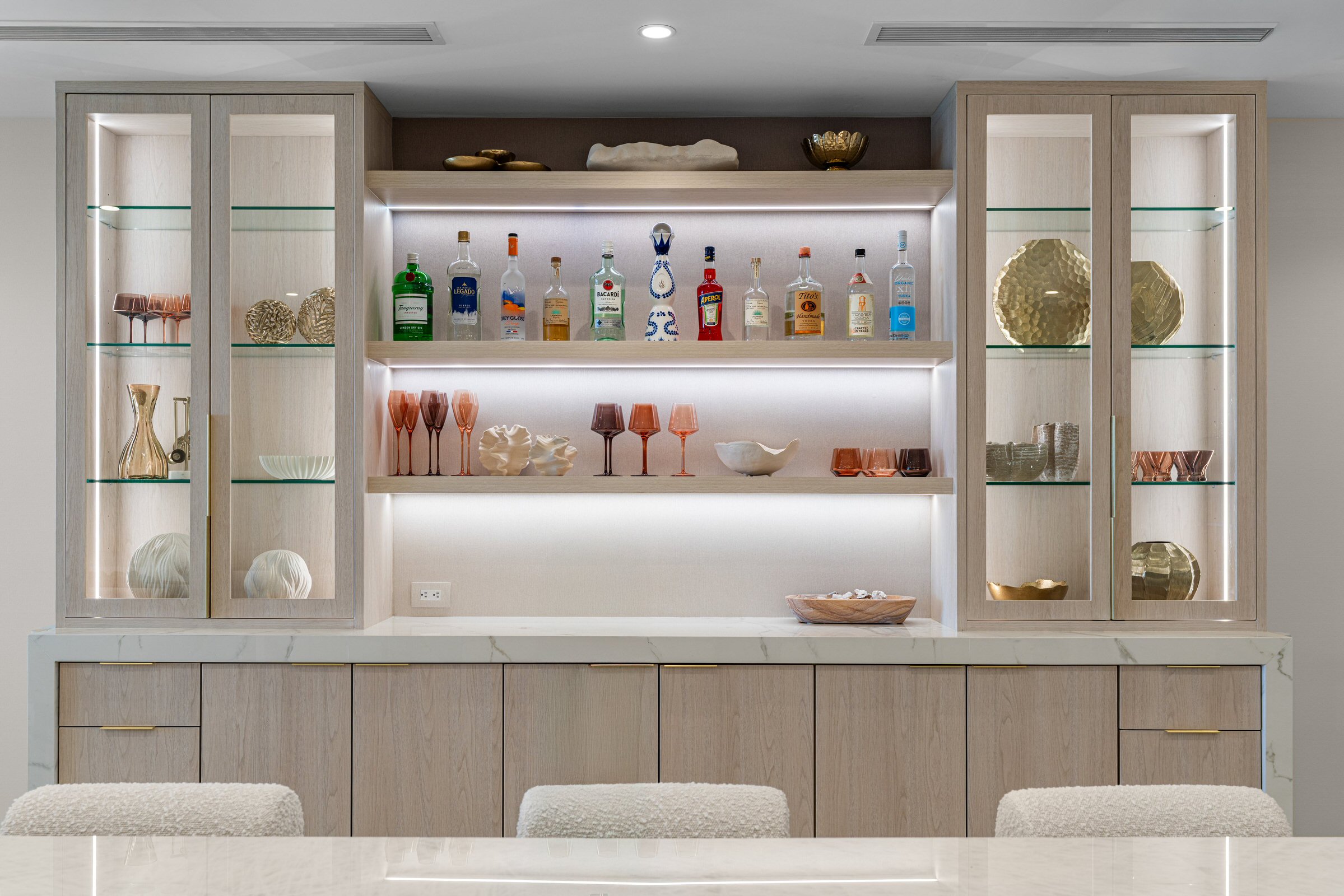
Built-ins and integrated storage
Ceiling design
Window and door placement input
Construction drawing packages
Coordination with architects and builders
Problem solving on site
Designing how a home functions, not just how it looks
2. When everything is so busy it loses the point
If your eye doesn’t know where to land, it gives up.
We once walked into a home where every wall had a moment. Every light was a statement. Every rug had a personality. It felt like being yelled at from every direction.
Editing is not you holding back. It is you knowing when to stop.
3. Designing for photos, not for living
If it looks great but doesn’t work, it is a prop.
Homes should handle real life. Not abuse. Nothing can handle abuse. Nothing lasts forever. A little wear is normal. It means people actually live there.
We have seen kitchens that belong in a magazine and nowhere else. No prep space, no storage, just vibes. Stunning, until you try to make breakfast.
The goal is not untouchable. It is livable and still beautiful.
4. Repeating the same look over and over
If every project looks the same, it is not a signature. It is a copy paste.
It is lazy and a slap in the face to a client who is paying for a personalized process. The client deserves more. Their home should be 100 percent them, not a recycled version of someone else’s.
There are designers who stay in one lane and do it well. That works for some clients.
Our clients expect more.
If you look across our work, it is all over the place in the best way. Different tones, different moods, different directions. Still a clear point of view, still a vibe, just never the same answer twice.
We have clients show us inspiration all the time. The job is not to recreate it. The job is to understand why they love it and then do something better and specific to them.
You are not hiring a look. You are hiring thinking.
5. Not pushing beyond what the client asked for
Clients hire designers for perspective, not agreement.
If we are just nodding and delivering exactly what was asked for, something is off. The value is in showing what could be better.
At the same time, there is always that moment where a client is locked into an idea and you are trying to gently say there is a much better move here.
We have had to say, just trust this one thing. Those are usually the decisions that change everything.
No trust, no great design.
6. Design without a clear point of view
A home should have variety, but it should make sense.
This is the “I love everything” problem. Modern kitchen, coastal bedroom, traditional living room, a little glam powder room for fun. On paper it sounds great. In reality, it feels like four different houses sharing a zip code.
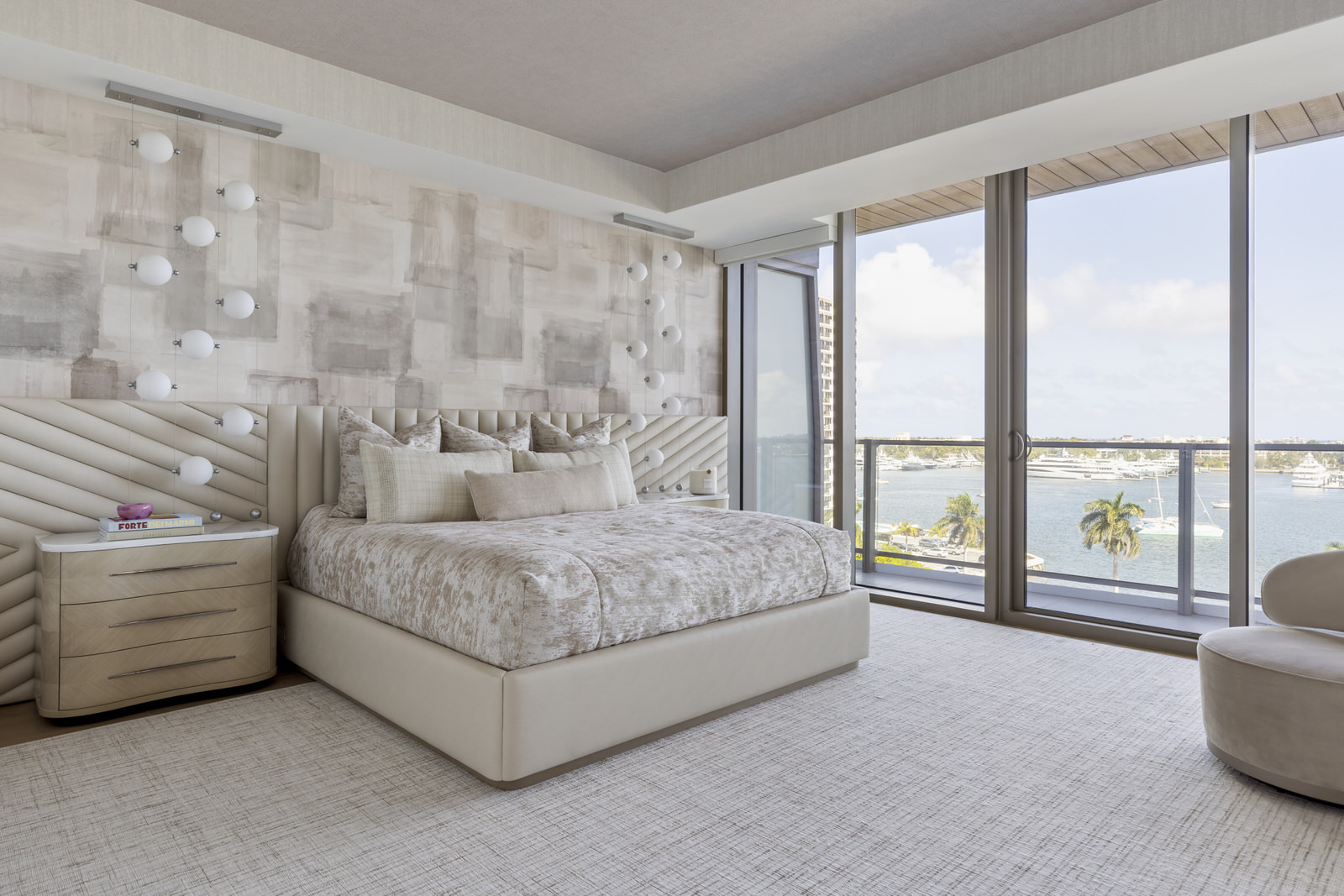
We had a project where the client loved very clean architecture and very soft, organic materials. That can go wrong fast. Instead of choosing one, we defined how they work together. Clean lines as the base, warmth layered in. It all spoke the same language, just with different accents.
If every room is trying to be the star, the house gets exhausting.
A clear story fixes that.
7. Playing it safe with color
I love color. I use color.
What I don’t love is fear disguised as sophistication. Entire homes washed out because no one wanted to take a chance.
At the same time, color is not easy. We have all seen what happens when it is used without control. Suddenly everything is competing and nothing feels grounded.
I am not convinced most designers know how to use color well, and that is part of the problem.
When it works, it elevates everything. When it doesn’t, everyone runs straight back to beige like it’s a safe house.
8. Wasted space and poor planning
This one hurts because it is so fixable.
Wasted corners, awkward layouts, hallways that go on forever for no reason. All of it comes from not thinking things through early enough.
We have pushed clients to move walls over inches. Inches. Not to spend more, but because those inches change how a room works. Suddenly a bed fits properly. Suddenly there is storage. Suddenly the room makes sense.
We are not pushing for more space. We are pushing for the right space.
There is a difference.
9. Thinking interior design has no real value
This one is always surprising.
Interior design is not just how something looks. It is how you move, how you feel, how your day runs without you even thinking about it.
We have seen homes where doors hit each other, kitchens don’t flow, and there is nowhere to put anything. You feel it every day.
There is psychology in this. Scale, light, layout, storage. All of it affects how you live.
Good design is doing a lot of work quietly.
And then there are the small things that drive me insane
The quiet offenders. The ones that don’t seem like a big deal until you live with them.
Switches in the wrong place
A bathroom with nowhere to put a towel
Beautiful stone with terrible seams
Lighting that makes everyone look tired
A sofa floating for no reason
Rugs that are too small
A kitchen with no landing space near appliances
Closets that look good and function terribly
Hardware that fights the door it is on
Millwork that almost aligns but doesn’t
Chairs that no one wants to sit in
Overhead lighting with no layering
And the big one
People who spend millions on a home and then slowly chip away at it with bad decisions
This is the part no one talks about. Design is not one big move. It is a thousand small ones.
Get those right, and everything feels easy.
Get them wrong, and you feel it every single day.