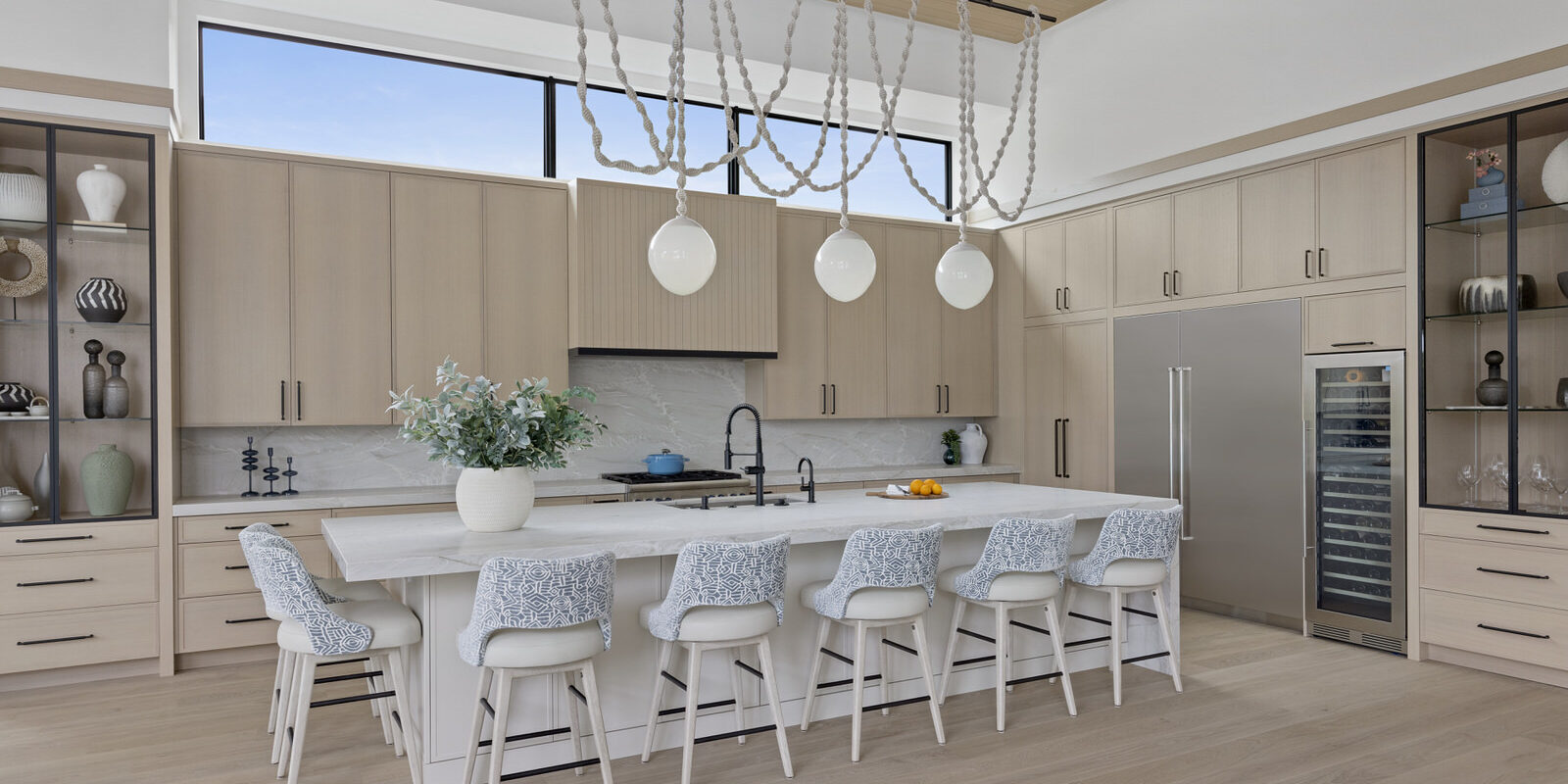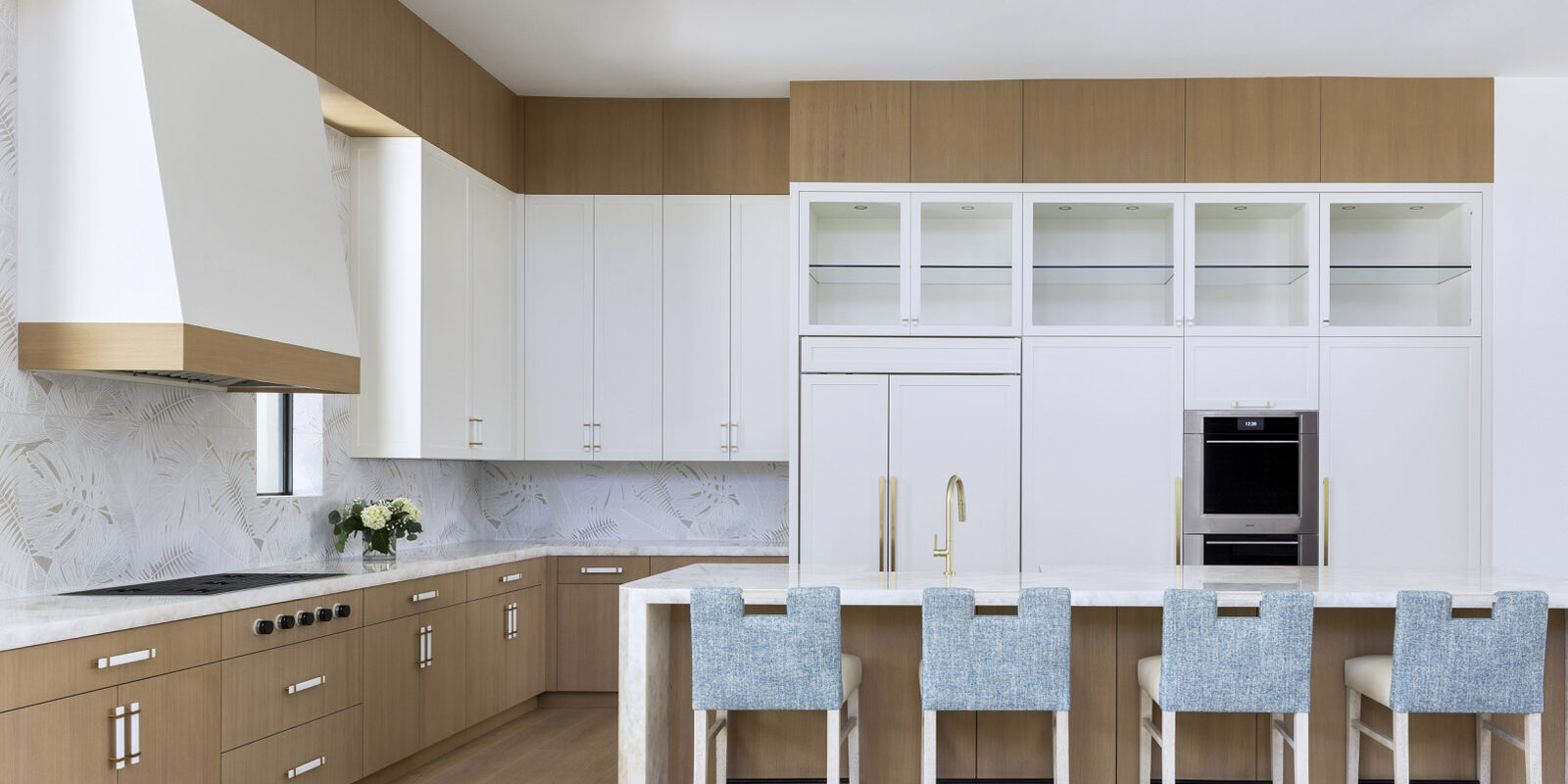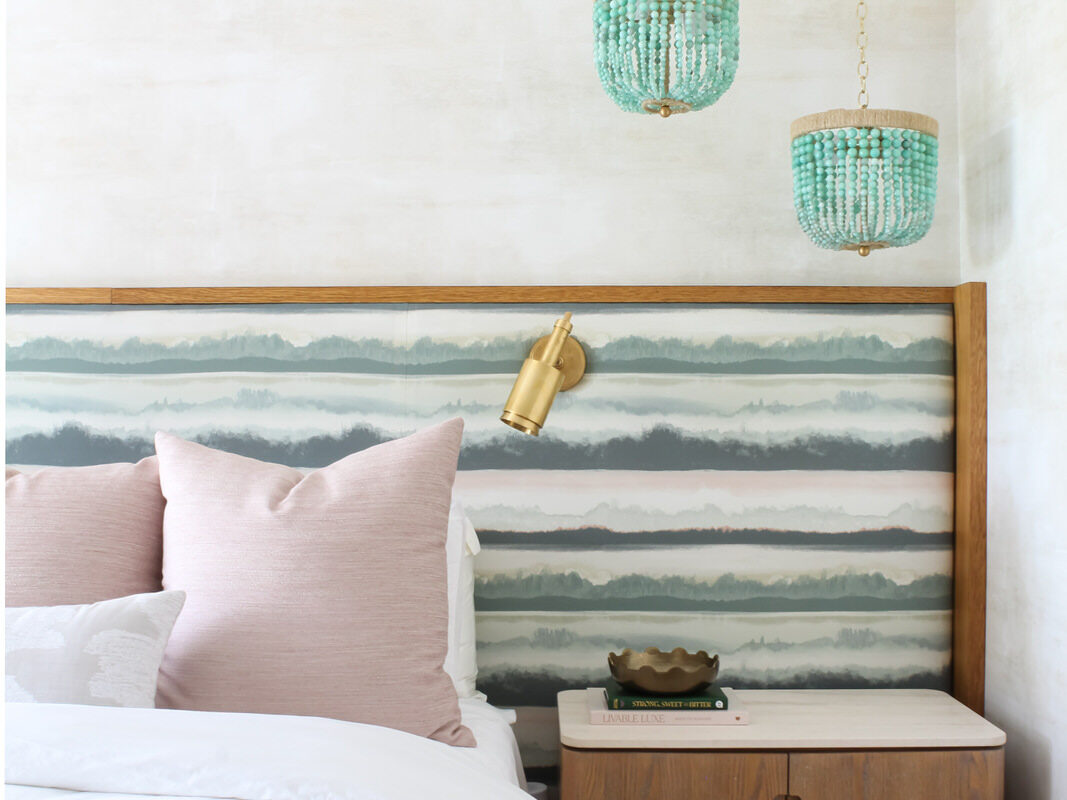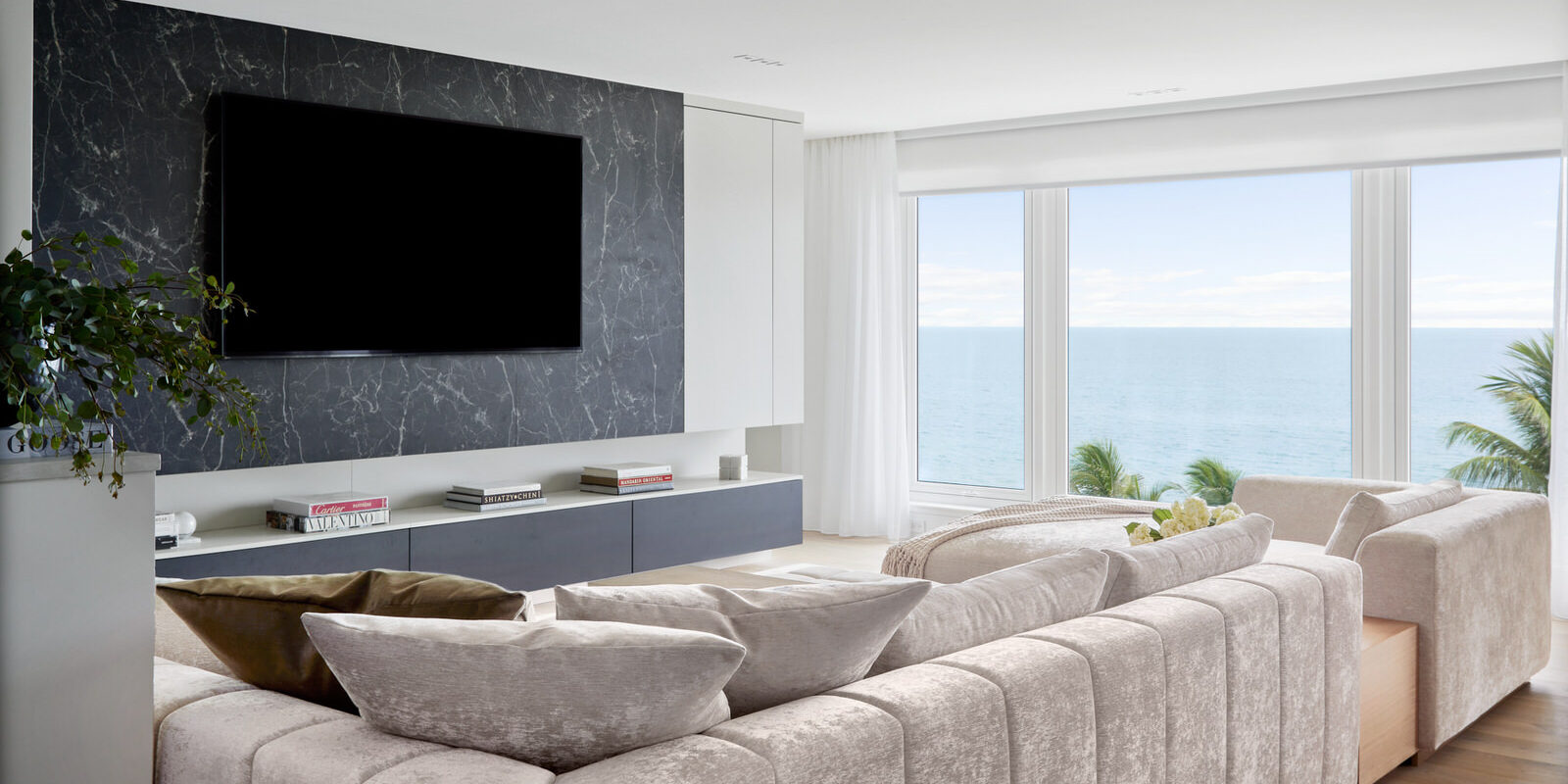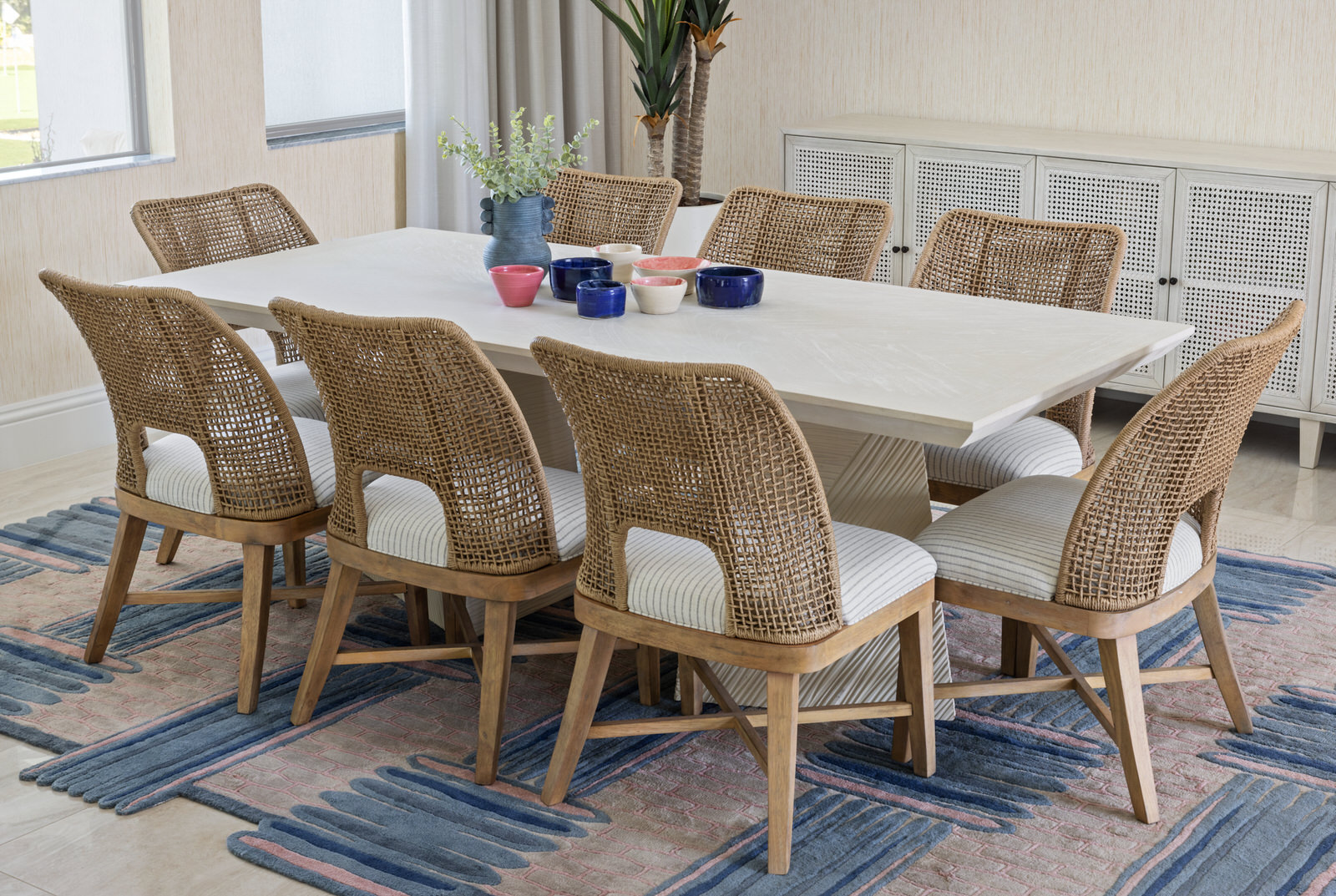
Palm Beach and Boca Different energy. Same sun. No rule-following.

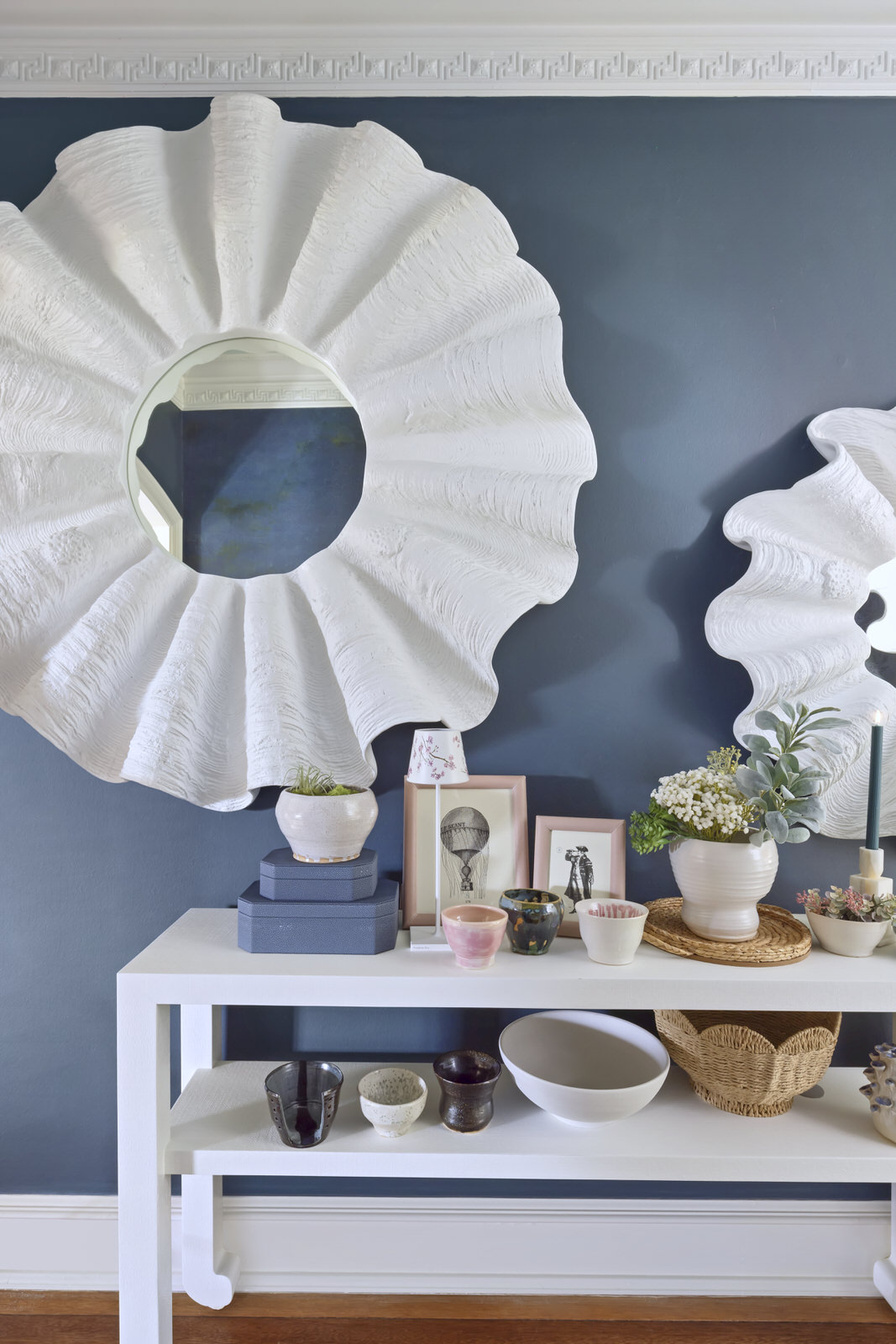
Palm Beach has a sweetness to it. Layered patterns, florals, color, rattan, woven materials. Rooms feel collected, happy, and soft around the edges. There’s tradition there, but it’s not stiff. It’s charming, confident, and full of detail.

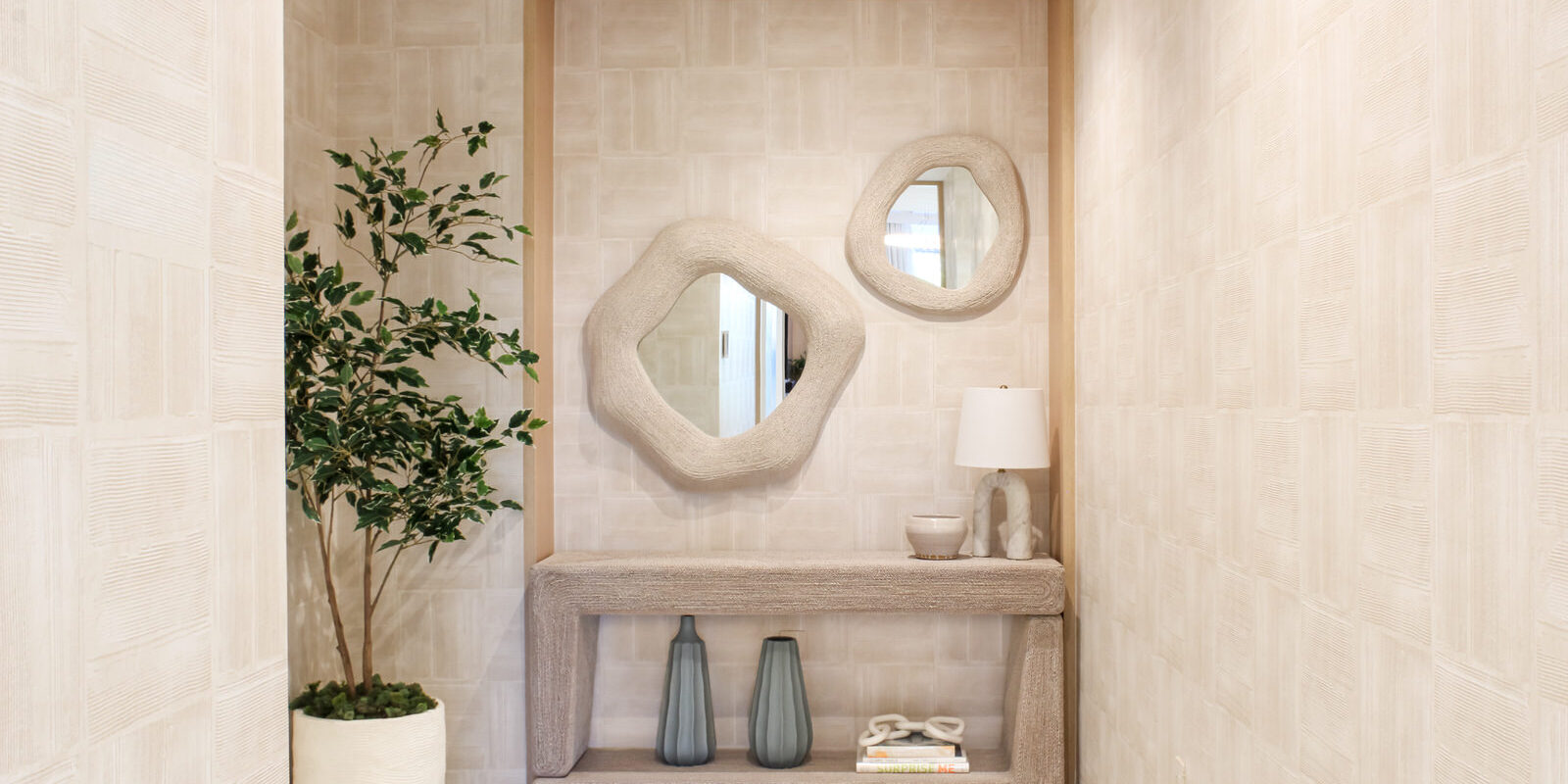
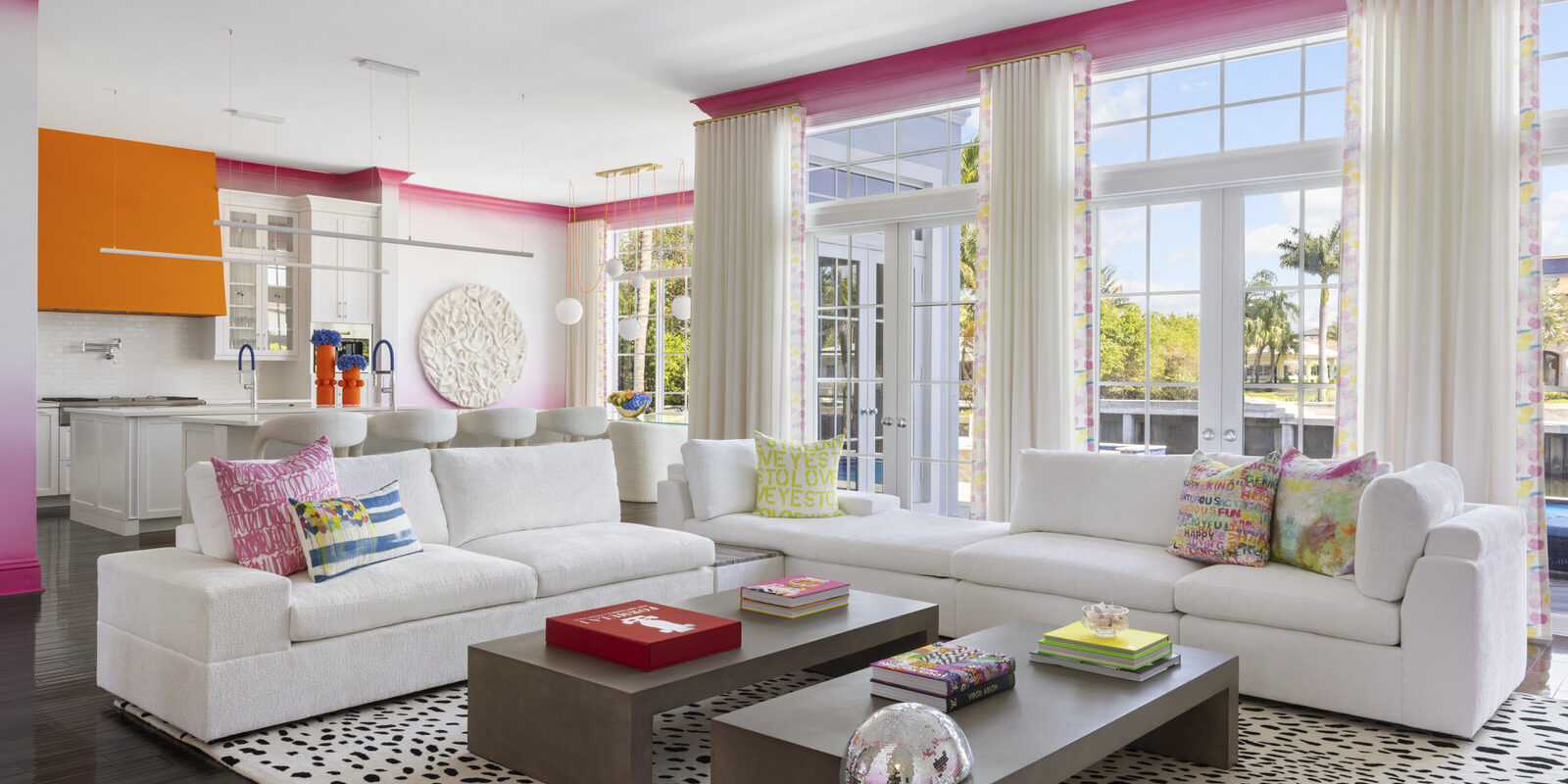
Boca is cleaner and more relaxed. Open, modern, easy. The focus is on flow, comfort, and how people actually live. Less decoration, more breathing room. It’s polished without feeling precious.

And then there’s how we design.

We don’t play by the rules of either place. As a firm that sets trends rather than follows them, we take the essence of Palm Beach or Boca and tweak it. We push it. We layer it differently. We mix what “shouldn’t” go together and make it feel obvious once it’s done.

Our Palm Beach projects still have sweetness—but with unexpected choices, bolder moments, and a point of view. Our Boca projects stay relaxed—but with depth, texture, and personality you don’t see everywhere else.

We respect place. We respect architecture.
But we don’t copy what’s already been done.

That’s what makes the work feel special.
And why no two of our homes ever look the same.

The Diane Keaton Effect: Movie Homes That Redefined American Design

Some people watch movies for the plot. I watch them for the sconces and kitchen layouts. Diane Keaton has starred in some of the most beautifully designed interiors in film; not just nice sets, but homes that shaped the way people began thinking about design. In many ways, her movies helped move American residential interiors toward the warm, coastal, lived-in look we still reference today. These weren’t movie sets. They were feelings.

Father of the Bride is the classic example. That house was the dream: traditional, layered, warm, full of personal detail. Nothing flashy. The architecture did most of the work; symmetrical facade, paned windows, brick path to the front door. It was the kind of house you imagined growing up in. Interiors were soft and collected. Botanical art, wood floors, built-ins, family photographs. It looked like a real home, not a styled one, and that’s why people loved it. To this day, clients still reference that house. You remember the basketball court, the backyard tent, the gentle lighting in the dining room. It was comfortable design with heart.

Then came Something’s Gotta Give, which might be the most talked-about movie house in modern film history. That Hamptons beach house shaped entire design trends. White slipcovered sofas, stripes, open floor plan, blue-and-white palette, books everywhere, natural light for days. The kitchen became iconic; spacious, classic, functional, with pendant lighting and that oversized island everyone remembers. The whole space said “I can write and cook and think and entertain in this house.” And people felt that. Designers began getting the same request over and over: I want the Something’s Gotta Give house. It made coastal design smarter. Less seashells, more structure.

It’s Complicated followed with a different energy; still warm, but with deeper tones and a more European, collected feel. Arches, aged wood, layered fabrics, terracotta, worn stone. The kitchen struck a chord again; not perfect, but personal. The house had history and humor. It was one of the first times we saw a space that felt comfortable and adult at the same time. Nothing sterile. Nothing overdone. It changed the conversation about what “California style” could look like.

Other films followed the same thread. The Family Stone offered a messy, beautiful, lived-in family home that felt real. Marvin’s Room had a quiet simplicity; raw, emotional, with softer colors and natural light that carried more meaning. Book Club leaned into a more elevated, refined look but still kept warmth in the palette; white walls, curated objects, strong furnishings. Even the sets we see for Diane Keaton today; including her real-life home featured in “The House That Pinterest Built”; continue to prove the same point: her world is designed, but it isn’t contrived.

What ties these interiors together is personality. The spaces aren’t perfect. They’re lived. They have books, layers, evidence of life. They mix upscale with comfortable. They use materials you want to touch. They frame lighting carefully. They hold memories. They don’t stage a life, they suggest one.

As designers, we can learn a lot from these films. Narrative and layout go hand in hand. Rooms don’t have to be loud to be strong. The kitchen can tell the story just as well as dialogue. And the best homes are the ones that feel like someone truly lives there.

Diane Keaton may be known for her roles, but in the world of design, she quietly became one of the best references for how a home should feel. Warm. thoughtful. layered. and unapologetically personal.

I’ll take that over a perfect ending any day.

The Details That Make a Room Feel Designed—Not Decorated

A space doesn’t feel special because it’s full. It feels special because it’s considered. There’s a difference between decorating and designing, and clients feel that difference the moment they walk in.

Color drenching is one of the fastest ways to change the mood of a room. One tone across walls, trim, doors — it wraps you. It pulls the eye inward and makes the room feel resolved. It doesn’t have to be loud. A soft clay tone or a muted green can do more than a busy palette ever will.

Wallpaper is my forever obsession. It can hold a room together without needing a single piece of art. It gives a space its own personality — sometimes quietly, sometimes boldly — but it always gives something back. I don’t believe wallpaper should cover space. It should carry space.

Molding is like the detail work on a couture dress — invisible to some, but everything to the people who notice. It changes the structure of a room. It gives it a frame. You don’t always point to it, but you feel when it’s done right — it’s what makes a room feel complete.

Personal accessories add life, not clutter. A book actually read. A ceramic piece brought back from travel. A framed note. These things carry presence. They don’t fill space — they claim it. When I’m working on a home in Boca Raton, Delray, or West Palm Beach, this is always the last layer, and it’s usually the one the client connects to the most.

Custom rugs settle a room. They define scale and anchor the layout. We design rugs often at Nikki Levy Interiors, because “almost right” sizing never works. When the rug is customized, the entire room finds its rhythm.

Lighting sets the temperature of a space. One lamp can soften a room instantly. A strong fixture can anchor the whole design. Layers of light can shift mood without changing a single piece of furniture. Lighting is not about brightness. It’s about intention.

Sometimes a space needs a hero piece — one item that creates direction for everything else. It might be a vintage chair, a custom table, a sculptural console, or a piece of art that tilts the energy just slightly. Design doesn’t always start with paint or tile. It often starts with the one thing that feels inevitable.

And every so often, a room deserves a single unapologetic choice — the total I don’t care, I love it moment. The “one total screw-you piece.” It might be scale, material, color, lighting — but it shifts the energy and wakes up the space. Not decorative. Not safe. Honest.

Collections give history. Galleries give perspective. Art, pottery, sculpture, textiles — when displayed with intention, they tell a story about the person who lives there. A home in West Palm Beach or Delray can hold the same visual sophistication you’d expect in Paris or London — as long as it’s curated, not copied.

At Nikki Levy Interiors, every space is approached the same way: design should feel personal. It should feel lived, not staged. A room becomes special when it carries the life of the person it belongs to — and when the details are done with care.

Designing Through an International Lens

If you design long enough, your eye becomes international. Certain influences follow you home — even when the suitcase stays behind. I’ve learned that design doesn’t belong to one place. It evolves through conversation, layered over time, one material at a time. Different countries have shaped the way I design today, especially when it comes to texture, proportion, authenticity, and craftsmanship — four things that matter no matter where a project is based.

South Africa taught me to make texture intentional.

Woven baskets, raw clay, organic fabrics — they’re not trends. They’re expressions of history. I use that mindset when adding warmth and honesty to a space. Texture isn’t filler. It’s foundation.

From the United States I take space planning and livability — open floor plans, functional storage, kitchen layouts that actually work for daily life. Design has to support movement and habits. A home should function before it performs. Good flow can be just as luxurious as good lighting.

France pushed me toward restraint. Patina, worn stone, quiet color palettes — nothing needs to shout. I bring this into my work through subtle silhouettes, aged finishes, and soft fabrics that feel settled, not staged. French influence is ideal for clients who want timeless over trendy.

England reminded me that personality comes from layering. When I use English influence, it usually shows up through botanical fabrics, wallpaper, upholstery details, and books — small elements that build character and comfort.

Australia always pulls me back to light. Pale woods, greenery, indoor-outdoor connection. I use this influence when I need a room to breathe. It works beautifully in South Florida, where natural light is one of our strongest design tools.

Morocco offers pattern, geometry, and craftsmanship. Zellige tile, arches, brass, carved wood. When I pull Moroccan influence into a design, it’s usually through statement tilework or custom millwork. It adds intrigue without overwhelming the space — when used intentionally.

Greece taught me the strength of proportion. White plaster, gentle curves, built-in seating. Calm environments are harder to design than bold ones, because balance has to be exact. I lean on Greek influence when I want simplicity to feel tailored rather than sparse.

Italy sharpened my eye for precision. Fine marble, metalwork, leather, and custom furniture — influence from Italian design shows up in my work when high craftsmanship is the priority. It’s not about being flashy. It’s about excellence in the details.

Mexico reminds me that color can feel grounded. Cobalt blue, terracotta, hand-painted tile — materials that instantly make a room feel connected to place. I use Mexican influence when I want a space to feel tactile and genuine.

Brazil showed me how modernism can still feel warm. Curved furniture, tropical woods, organic forms. This approach is helpful when sleek design needs softness, or when minimalism should still feel approachable.

China follows discipline — symmetry, carved wood, bamboo, stillness. When I reference Chinese influence, it’s usually through balance or layout. It helps calm a large room and give it structure.

India brings layered craftsmanship — textiles, brass, carved doors, block prints. I use Indian influence when I want richness. Depth can come from materials, not just color.

What I’ve learned is that global inspiration only works when it’s edited. A room isn’t a museum. It’s a conversation between influences — and the conversation has to serve the client. The strongest interiors borrow, blend, and interpret. They use just enough history to feel meaningful, and just enough restraint to feel livable.

That’s what international design has given me: tools to interpret, not imitate. And when it all comes together, the space doesn’t feel designed to impress. It feels designed to live in — beautifully, intentionally, and with a sense of place.

From Chaos to Iconic: How Nikki Levy Interiors Built a Seamless Design Experience

When I first launched Nikki Levy Interiors, we had vision, creativity, and thrilled clients—but behind the curtain, things were messy. We were underwater, running on pure grit, and it felt like sink or swim. Our projects were stunning, but the experience of getting there wasn’t as polished as it should have been. And for me, that wasn’t okay.

So, we rolled up our sleeves and rebuilt everything from the ground up. What emerged was our proprietary, three-pronged system that now defines how we work:

1. A Proprietary Process That Redefines Luxury

At NLI, process is design. We created a seamless framework that balances creativity with efficiency:

  • NLI Onboarding System – every client begins with a curated questionnaire, inspiration capture, and detailed walkthrough, ensuring no detail is missed.
  • NLI Client Portal – all proposals, approvals, and updates are centralized in one place, so our clients always know where we are.
  • NLI Procurement Tracker – a system built to minimize errors, speed up orders, and track every piece from vendor to installation.

Because we believe true luxury isn’t just about the final reveal—it’s about the ease of the journey.

2. Signing the Right Clients

We learned that the wrong fit can sink a project. Now, we only partner with clients who value originality, trust our expertise, and understand that bespoke interior design takes time, craftsmanship, and commitment. The result? Aligned expectations, smoother collaboration, and homes that feel completely personal.

3. Partnering With the Right Vendors

Iconic design is only possible with iconic execution. We’ve built a network of trusted artisans, makers, and vendorswho share our values and standards. From stonecutters to textile designers, our partners allow us to push boundaries and deliver interiors that are both innovative and flawless.

Beyond Interiors: The Business of Design

What makes Nikki Levy Interiors different is that we don’t just push boundaries in design—we push them in business, too. We’re as dedicated to refining processes, communication, and efficiency as we are to layering color, pattern, and texture. That balance is what elevates us from a design studio to a leading South Florida luxury design firm with a reputation for excellence.

Looking Ahead: Becoming Iconic

Icons in this industry don’t just create beautiful rooms—they change the way people experience design. That’s our goal. With MADE by Nikki Levy, our expansion into rugs, furniture, and ceramics, we’re building a design house that lives at the intersection of interiors and lifestyle.

We started in chaos. We rebuilt with process. And today, Nikki Levy Interiors is a firm that creates not just interiors, but iconic experiences.

Lessons From Iconic Designers: How Nikki Levy Interiors Builds on Their Legacy

Every industry has its icons—the names that reshape the way we think, create, and live. In luxury interior design, iconic designers leave more than just beautiful rooms behind; they leave ideas, philosophies, and ways of working that ripple across generations. At Nikki Levy Interiors, we study these lessons carefully, not to copy, but to translate them into a fresh, modern point of view that’s deeply personal for our clients.

1. Originality Above All

What we learn from icons: The greats are never imitators. They don’t follow trends—they set them. Their work is instantly recognizable because it reflects a singular vision.

How NLI applies it: At Nikki Levy Interiors, no two projects are ever the same. We don’t repeat, recycle, or rely on formulas. Our design fingerprint is layered—pattern, texture, silhouette, and color—but always tailored to the client. The result? Spaces that feel unmistakably original, yet deeply personal.

2. Craft Matters

What we learn from icons: Icons champion artisanship. From hand-carved wood to handwoven textiles, they understand that luxury is rooted in the human hand.

How NLI applies it: We collaborate with skilled artisans and makers across South Florida and beyond. Our MADE by Nikki Levy line of furniture, rugs, and pottery extends this philosophy, celebrating the value of slow craft in a fast world.

3. Lifestyle, Not Just Interiors

What we learn from icons: The most influential designers move beyond rooms. They create worlds—collections, experiences, even cultural movements.

How NLI applies it: We don’t just design homes; we design a way of living. Our projects often begin with interiors but extend into curated furnishings, bespoke art, and custom pieces that complete the lifestyle our clients crave. MADE is the natural evolution of that vision—an expression of interiors as a way of life.

4. Courage in Vision

What we learn from icons: Icons don’t dilute their voice to fit in. They make bold, sometimes unconventional decisions that set them apart.

How NLI applies it: We guide our clients with honesty, even if it means challenging their initial instincts. Our role is to envision possibilities they haven’t yet considered—and to have the courage to refine and edit until every choice feels right.

5. Giving Back to the Industry

What we learn from icons: True leaders share knowledge. They mentor, collaborate, and contribute to the evolution of the profession.

How NLI applies it: From speaking engagements at What’s New, What’s Next, High Point Market, and KBIS to mentoring younger designers, we believe in elevating the industry as a whole. Efficiency, collaboration, and integrity are part of how we lead—not just in our projects, but in our profession.

NLI’s Point of View

At Nikki Levy Interiors, we don’t want to just be inspired by icons—we want to carry the conversation forward. Every project, every collection, and every panel appearance is an opportunity to translate timeless lessons into something fresh, modern, and unmistakably NLI.

Luxury design isn’t about looking back or looking around. It’s about looking ahead—building a future where interiors are original, layered, and forever iconic.

Nikki Levy on Luxury Interior Design and the Future of Bespoke Living

At Nikki Levy Interiors, we know color is more than decoration—it’s psychology, atmosphere, and memory wrapped into design. A room isn’t just “blue” or “neutral”—it’s In the world of luxury interior design, one truth guides me: real luxury isn’t about excess—it’s about originality. At Nikki Levy Interiors, every project is unique. No two homes are ever the same, because true luxury lies in spaces layered with color, pattern, silhouette, and texture. That’s what brings a home to life.

But originality doesn’t mean impractical. I believe in designing for real living—families, children, pets, and busy schedules. For me, South Florida interiors must balance sophistication with function. The highest form of luxury is when beauty and practicality coexist seamlessly.

The Client Experience

At Nikki Levy Interiors, we don’t overwhelm clients with hundreds of options. Instead, we curate a handful of thoughtful, bespoke choices that reflect their style and needs.

My role is not just to design but to guide. Clients hire us to see what they can’t yet visualize. Sometimes that means steering them away from ideas that won’t work and toward concepts that will elevate their home. This honesty and clarity are what make the experience feel effortless.

Interior Design Trends 2025

Luxury interiors are evolving. In 2025, we’ll see chrome and silver make a return, adding a sleek, reflective edge to modern homes. At the same time, classic traditional details like moiré, millwork, and chintz are reemerging, but in a fresh and edited way.

The future of bespoke design isn’t about formula—it’s about personal expression, craftsmanship, and creating pieces that can’t be replicated. This mix of nostalgia and contemporary polish defines where luxury is heading.

Beyond Interiors: MADE by Nikki Levy

What started at my kitchen table has grown into one of the most respected design firms in South Florida. But Nikki Levy Interiors isn’t just about homes—it’s about lifestyle. With MADE, our new brand, we’re expanding into furniture, rugs, ceramics, and pottery.

Pottery, in particular, is close to my heart. Working with clay reminds me of the power of craft, touch, and materiality—the same principles that guide my interiors. Every detail matters, from a hand-thrown vessel to a custom-made rug. That’s what turns interiors into experiences.

Leadership in the Design Industry

Design isn’t only about creating beautiful rooms—it’s also about shaping how the industry moves forward. I believe efficiency is its own form of luxury, and I’ve become dedicated to streamlining processes: procurement, communication, and project management. A smooth process is as valuable to clients as the final reveal.

Leadership also means giving back. Mentorship, collaboration with artisans, and community engagement are essential to how I work. Serving as an ambassador at What’s New, What’s Next, High Point Market, and KBIS allows me to contribute to the larger conversation about where design is headed.

The NLI Point of View

At Nikki Levy Interiors, an iconic space is one that feels as though it could only belong to the people who live there. That’s our signature: interiors that are layered, personal, and unforgettable.

For clients seeking luxury interior design in South Florida—and for those who want a design journey that feels seamless—Nikki Levy Interiors is more than a design firm. It’s a creative house, building a lifestyle where every detail is original, bespoke, and deeply human.

Let’s Talk About Color: The Fun Part

OK, so the last blog was a little heavy, right? I mean—hues, tints, tones, shades… I’m so sorry you basically had to sit through a crash course in Color Theory 101. You deserve college credit for that one. But now that we’ve gotten through the serious stuff, let’s get to the fun—because this is where color really comes to life in your home.

Silver & Chrome: The Cool Kids Are Back

Shiny, sleek, and undeniably chic—silver and chrome are having their moment again. They instantly make a room feel polished and modern. Psychologically, they give off clarity and confidence—like the design equivalent of a perfectly tailored blazer. We love using them in light-filled South Florida homes where they bounce the sunshine around and keep everything feeling fresh.

Blush: Soft, But Not Shy

Blush is no longer “girly.” It’s sophisticated, calm, and quietly powerful. It makes a space feel warm and approachable, but never overwhelming. Paired with crisp whites or sandy neutrals, blush reads as modern and chic—like that perfect glass of rosé on a warm Boca evening.

Neutrals: The Calm in the Storm

Neutrals are the steady friend that never lets you down. Creams, taupes, and soft sandy tones bring balance and calm. They’re timeless, versatile, and in South Florida interiors, they make natural light absolutely glow. Plus, they give your statement pieces room to shine—whether it’s bold art or a killer piece of furniture.

A Touch of Nostalgia: Moiré & Classics

There’s something grounding about patterns and colors that nod to tradition. Moiré, chintz, muted heritage hues—they carry a sense of comfort and refinement. The trick is editing them so they don’t feel stuffy. We love mixing a nostalgic detail with modern polish to keep it fresh and layered.

Deep Inky Tones: Hello Drama

Every home needs a little drama. Deep navy, charcoal, even a moody green—these shades wrap you up and make large spaces feel intimate. We use them like punctuation, not paragraphs—an accent wall, a statement powder room, or even a moody piece of cabinetry. The result? Depth, focus, and just the right amount of intrigue.

Why This Matters

Colors aren’t just paint chips; they’re mood shapers. They’re how you set the tone for your home, your family, and the way you live. And the fun part? Once you know the basics, you get to break the rules and mix things in a way that feels totally you.

At Nikki Levy Interiors, We Speak the Language of Color

At Nikki Levy Interiors, we know color is more than decoration—it’s psychology, atmosphere, and memory wrapped into design. A room isn’t just “blue” or “neutral”—it’s calming, energizing, nostalgic, or luxurious depending on how the palette is built. Whether in a luxury South Florida estate or a refined city residence, the right color story shapes how people feel in a space.

The Fundamentals of Color Theory

  • Hue – the pure color (blue, red, yellow) that sets the emotional baseline.
  • Shade – hue plus black, which adds drama, weight, and mystery.
  • Tint – hue plus white, which softens and makes a space feel light and open.
  • Tone – hue plus gray, which lends nuance, maturity, and sophistication.

When combined, these are not just technical shifts—they’re psychological tools. A deep navy wall, for example, instantly signals stability and calm, while a blush tint creates warmth, comfort, and ease.

The Psychology of Warm vs. Cool Palettes

  • Warm palettes (reds, oranges, golds) activate energy, appetite, and conversation. They’re why dining rooms and kitchens come alive in these tones—they pull people together.
  • Cool palettes (blues, greens, silvers) relax the nervous system. Bedrooms and bathrooms dressed in these shades feel restorative, like stepping into a spa or retreat.

In our South Florida homes, we often layer both: a serene coastal base in soft neutrals and aqua, punctuated by golden accents or coral tones that keep the space from drifting into “too quiet.”

Color, Contrast & Human Response

Luxury design thrives on tension:

  • Dark and light – Inky walls with crisp white millwork spark drama while still feeling grounded.
  • Neutral and bold – Taupe linen paired with a vibrant fuchsia artwork draws the eye and conversation.
  • Matte and reflective – Velvet upholstery next to polished chrome creates sensory balance.

These juxtapositions aren’t just visual—they affect how a space is experienced. High contrast excites the senses; low contrast soothes them. The balance is what makes a space sophisticated rather than overwhelming.

The Emotional Palette

  • Blue – trust, calm, focus. Perfect for studies, bedrooms, or anywhere you want clarity.
  • Green – renewal, growth, balance. Brings the outdoors in and works beautifully in kitchens or lounges.
  • Yellow – optimism, creativity, energy. A little goes a long way—ideal for accents or art.
  • Red – passion, drama, appetite. Bold in doses; transformative in dining rooms or statement pieces.
  • Neutrals – stability, timelessness, sophistication. The backbone of luxury interiors that allows accents to shine.

Practical Color Tips

  • Start with mood, not paint chips. Decide if the space should calm, inspire, or spark connection.
  • Layer neutrals with intent. Creams, beiges, and taupes can be just as luxurious as jewel tones when paired thoughtfully.
  • Let accents carry emotion. One emerald velvet chair can shift the energy of an entire neutral room.
  • Test in real light. In Florida, a wall color at sunrise may feel completely different at sunset.
  • Blend nostalgia with modernity. A traditional chintz fabric feels entirely new when paired with sleek, contemporary furniture.

Why Color Matters in South Florida

South Florida offers some of the most unique light in the world—bright, sharp, and constantly shifting with the sky and sea. That’s why our Boca Raton and Palm Beach interiors are often built around:

  • Soft sandy neutrals to ground spaces.
  • Vibrant tropical hues like turquoise or coral for energy.
  • Organic materials like wood, stone, and woven fibers to keep bold colors from feeling synthetic.
  • Statement artwork that captures the vibrancy and movement of coastal life.

In this environment, color isn’t just surface—it’s a storyteller, reflecting both the natural world outside and the personality of the client inside.

The NLI Approach

For us, color is psychology. It’s how we make a guest feel welcome, how we turn a bedroom into a sanctuary, how we make a living room hum with energy. At Nikki Levy Interiors, we don’t simply decorate with color—we choreograph it. Each shade is a brushstroke in a larger story, creating interiors that are not only timeless and luxurious, but also deeply personal.se it to craft spaces that feel personal, timeless, and utterly luxurious.

Interior Design Is Serious Business (And I Take It Very Seriously… in the Funniest Way Possible)

Let’s get something straight:

Interior design is not fluff.

It’s not just “choosing a few throw pillows” or “picking between eggshell and off-white.” It’s a full-on, high-stakes, detail-driven, budget-wrangling, vendor-juggling operation.

At Nikki Levy Interiors, we take interior design seriously—whether we’re designing a luxury home in Palm Beach, renovating a residence in Boca Raton, or managing a custom build in West Palm Beach. We laugh, we joke, but behind the scenes? We are orchestrating full-blown magic (with spreadsheets).

My Face When Someone Says “So You Just Decorate?”

Not quite. I design entire homes—from space planning to custom millwork to sourcing marble slabs that will make you weep.

I think about:

  • How your Boca Raton living room will photograph at sunset
  • Where your dogs will nap on your West Palm Beach sectional
  • If your Palm Beach powder room lighting makes you feel like a supermodel or a swamp monster

We don’t just make it pretty—we make it work.

I Lose Sleep Over Baseboards

I’ve woken up in a panic over:

  • Crown molding profiles
  • The grout color in a laundry room
  • Whether we should have flipped the swing on a pantry door

Because luxury interior design is in the details, and the details matter.

This Is Project Management With Throw Pillows

Designing a custom home in South Florida? You’re juggling:

  • General contractors
  • Tile reps
  • Cabinet installers
  • Fabric vendors
  • A client who’s still not over their last backsplash

I’m coordinating the entire show. Luxury interior design in Palm Beach County isn’t just creative—it’s strategic.

The Budget? Oh, We Track That Like Wall Street

Our budgets range from $1 million to “OMG that’s a lot,” and we treat every dollar with intention. Whether you’re investing in heirloom-quality custom millwork or trying to save smart on tile, we guide you every step of the way.

Nikki Levy Interiors specializes in balancing brilliance with budget. Our Boca-based team knows the interior design vendors, lead times, and trade sources in Florida inside and out—and we use that knowledge to make the most of your investment.

Design Is a Full-Scale Production

We plan timelines.

We manage deliveries.

We problem-solve when a custom upholstered bed frame meant for your Palm Beach estate gets sent to Atlanta (yes, that’s happened).

We do it with humor, grace, and the occasional espresso martini. But make no mistake—we are in control.

Why I Take Design So Seriously

Because it shapes your entire life.

A beautifully designed home supports how you:

  • Wake up
  • Entertain
  • Play
  • Communicate
  • Parent
  • Cook
  • Work
  • Unwind

At Nikki Levy Interiors, we’re not just designing for aesthetics—we’re designing for how you live, move, and feel. From new construction projects in Boca Raton to custom renovations in Palm Beach, we create layered, tailored, personality-filled homes with heart and edge.

In Summary: Design Is Not Fluff—It’s a Profession

Yes, we have fun.

Yes, we laugh a lot.

But behind every beautiful photo is a million decisions, a hundred emails, a few tough calls, and a team that is dead serious about interior design in South Florida.

So, if you’re looking for a designer who can manage the moving parts and make it look effortless?

You’re in the right place.